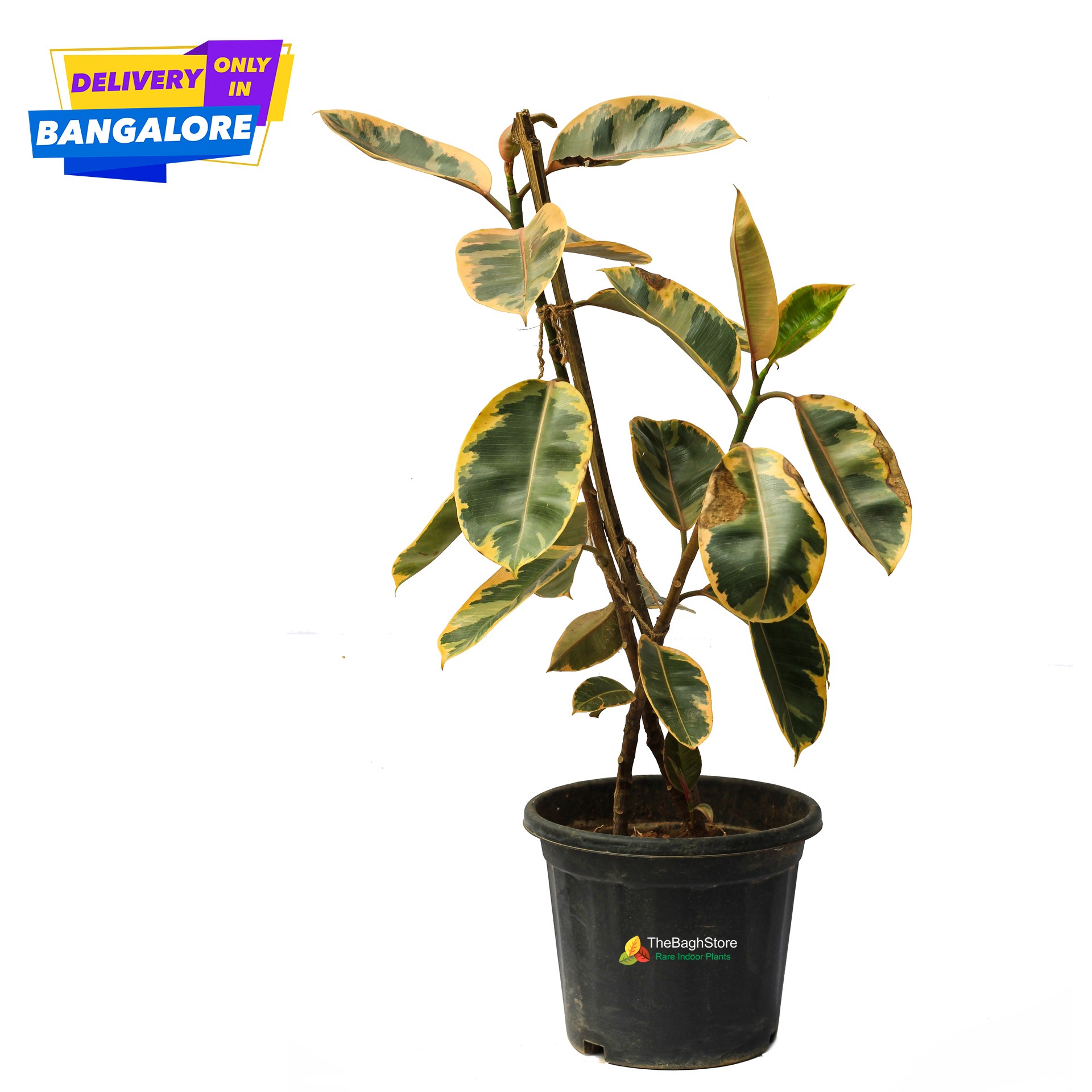
Rubber Tree, Rubber Plant, Ficus elastica (Tineke)
$ 8.01
Rubber Tree, Rubber Plant, Ficus elastica (Tineke)Did you know that the Rubber Tree was used to make living bridges in India? Also, before synthetics, the sap of this spectacular indoor plant was used to make rubber. Hence, the name! A native of the Himalayas and Java, this broadleaf evergreen plant is famous for its vibrant looks and ease of growth. Scientifically known as Ficus Elastica, its lush, glossy leaves range from a rich burgundy red to almost black and make a trendy ornamental plant.GeneralIn its natural habitat, your Ficus Elastica can grow about 15 meters tall. However, when grown indoors they are much smaller.Your Rubber Plant is a great air purifier and helps prevent respiration allergies such as asthma.A young Rubber Plant will better adjust to being an indoor houseplant instead of a more mature one.SunlightYour Ficus Elastica plant prefers a nice bright spot with indirect sunlight. It can cope up with lower light conditions, although that would subdue the growth of your plant.When kept in the dark or under significantly low light, leaf loss may occur. If that happens, discontinue fertilisation till the leaf drop stops and move the plant to a warmer and more lit area.WateringIf the top inch of soil feels dry to the touch, then water your Rubber Plant. During the summer and spring season, you may need to water your Rubber Plant about once a week. During the winter season, reduce watering to once or twice a month as they require less water during their natural resting season.Avoid excessive watering as that can cause yellow leaves to occur.Your Ficus Elastica plant prefers a humid environment for better growth. As such, you can increase humidity by misting it often, placing it near a humidifier, or using a pebble tray.SoilA well-aerated potting soil is perfect for your Ficus Elastica. Your Rubber Plant needs a well-draining and fertile soil for faster growth. For that, you can mix peat, pine bark, and coarse sand in equal proportions with a slow-release fertiliser as well.FertilizerFicus Elastica does not require fertilisers to thrive. Still, regularly fertilising your Ficus Elastica plant will keep it producing those big bright leaves and help maintain its health.During the growing season, add the water-soluble fertilisers monthly to keep your Rubber Tree healthy and glowing.During the winter season, cease any fertiliser applications as your plant goes into dormancy.ToxicityFicus Elastica is considered toxic for children and pets due to the latex in the sap. It contains allergens that may result in latex allergy and asthma symptoms.Additional CareYour Rubber Plant needs to be propagated periodically into larger pots. Else it can cause damage to the roots and hamper your plants' growth.Regularly prune unwanted branches of your Ficus Elastica during summer and spring to give the plant a fuller shape.To maintain glossy leaves, frequently clean them with lukewarm water using a soft cloth or sponge.Watering with lukewarm water reduces the cold water shock that can damage the plant roots.Keep your plant in average room temperatures of 18℃ - 30℃. Avoid lower temperatures below 15℃.TroubleshootingLoss of leaves: The most common cause is not enough light or over-watering - Move your plant to a sunny location with indirect sunlight and add organic compost to the soil's top layers.Yellowing of leaves edges: This can be due to poor soil quality or too much water - Reduce watering and add slow-release fertiliser.Plant becoming Leggy: If your plant is not getting adequate light, it will become leggy- Move your plant to a brightly lit area with indirect sunlight and prune the excessive branches back to make the plant fuller.
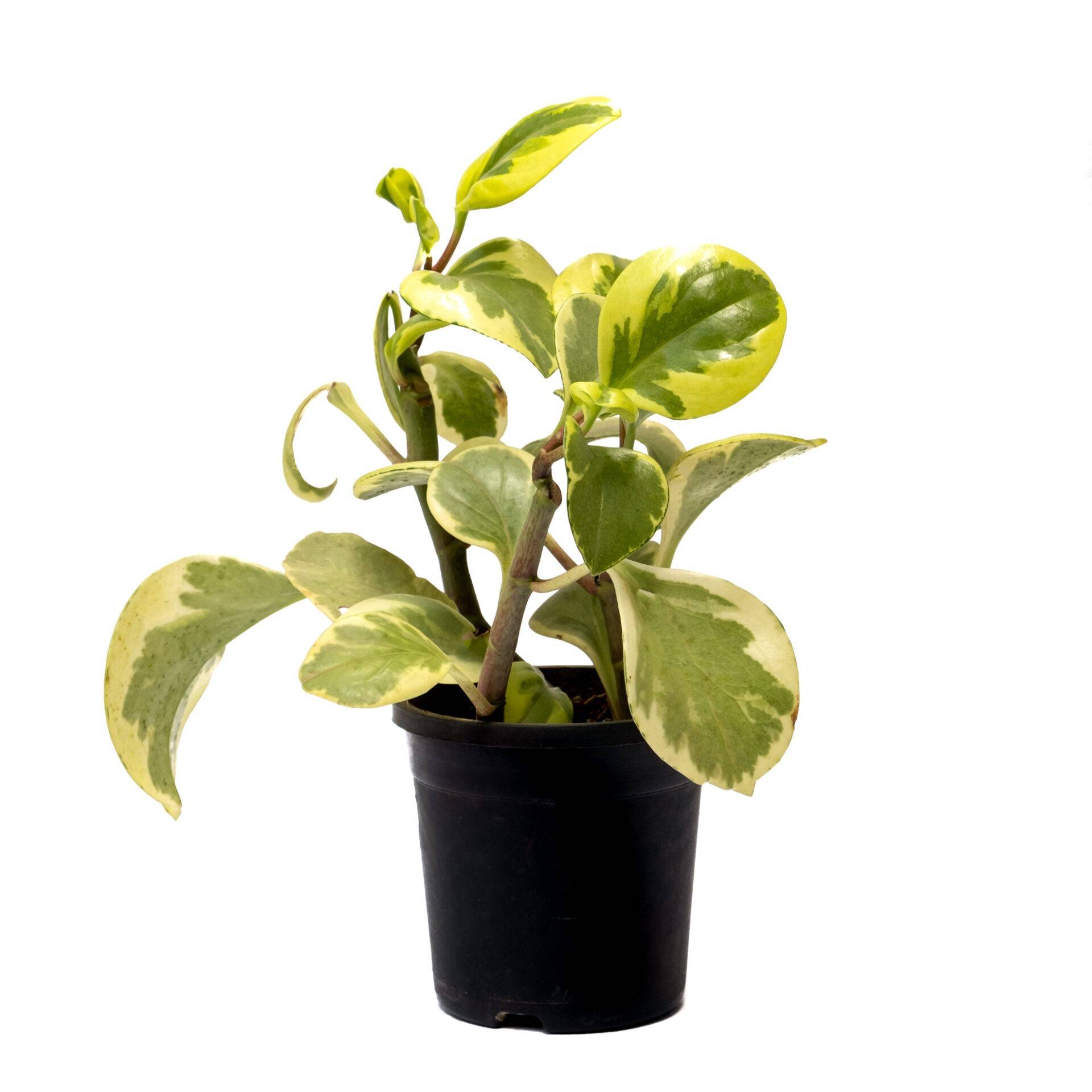 Peperomia Obtusifolia Variegated Plant
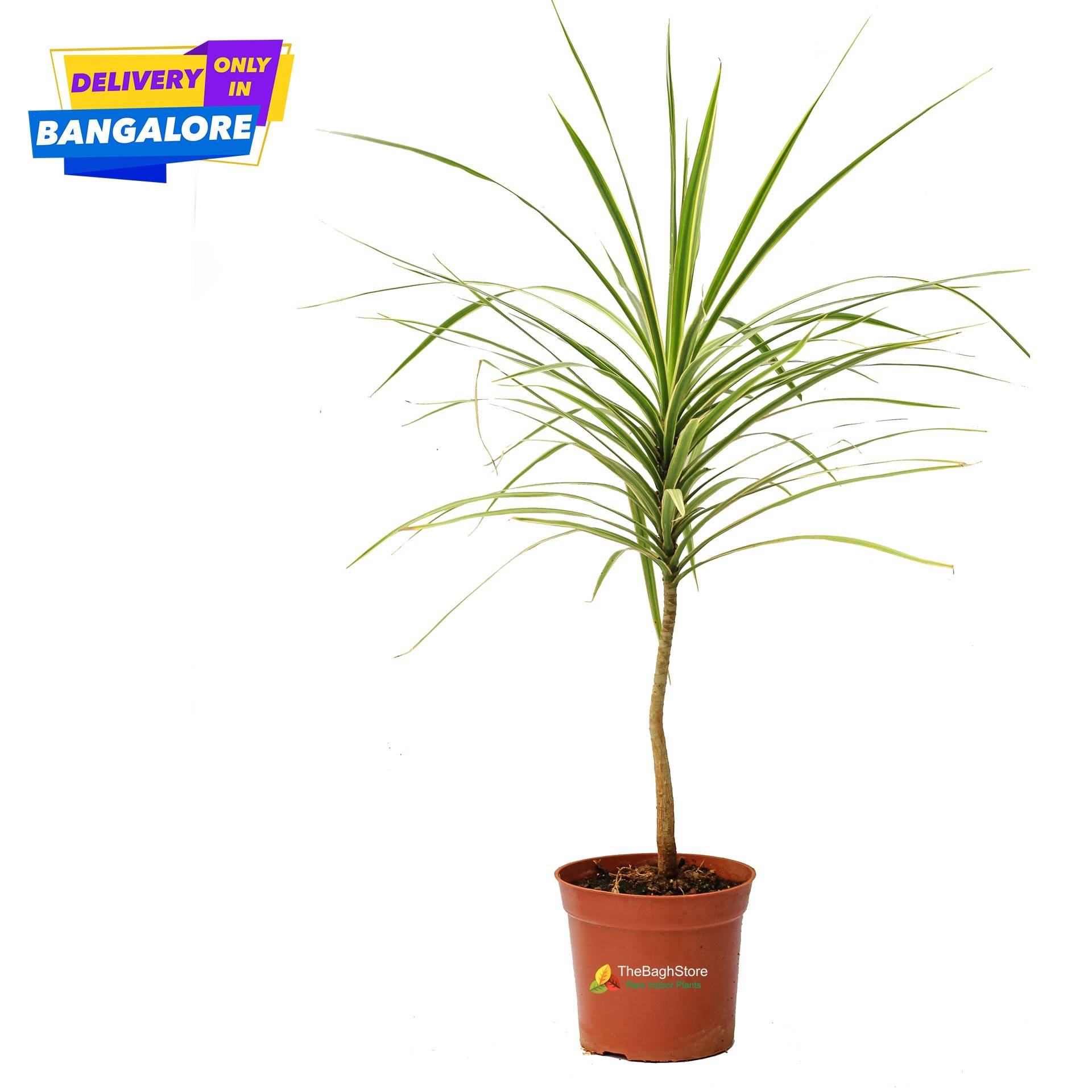 Dracaena Marginata, Dragon Tree Plant
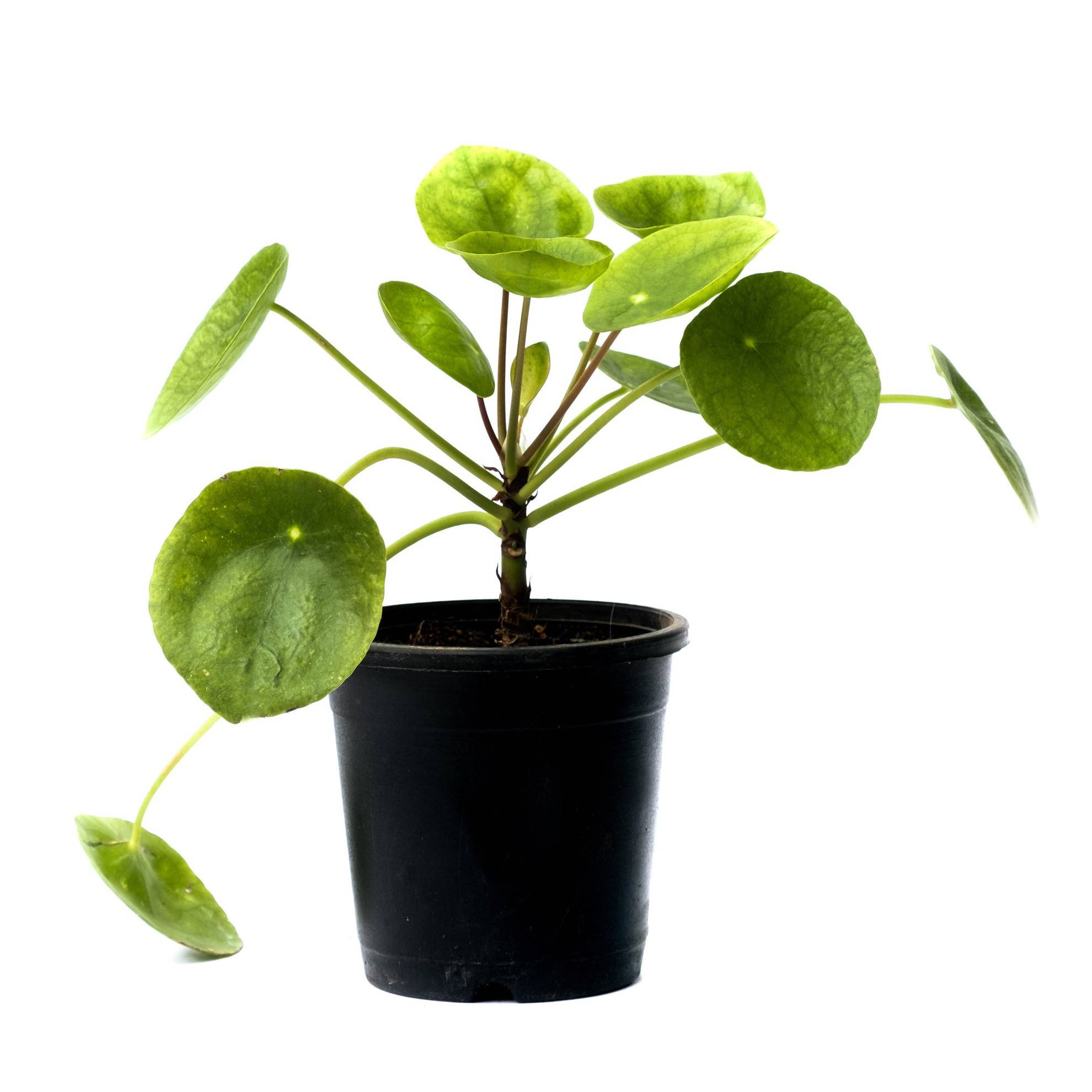 Pilea peperomioides Chinese Money Plant


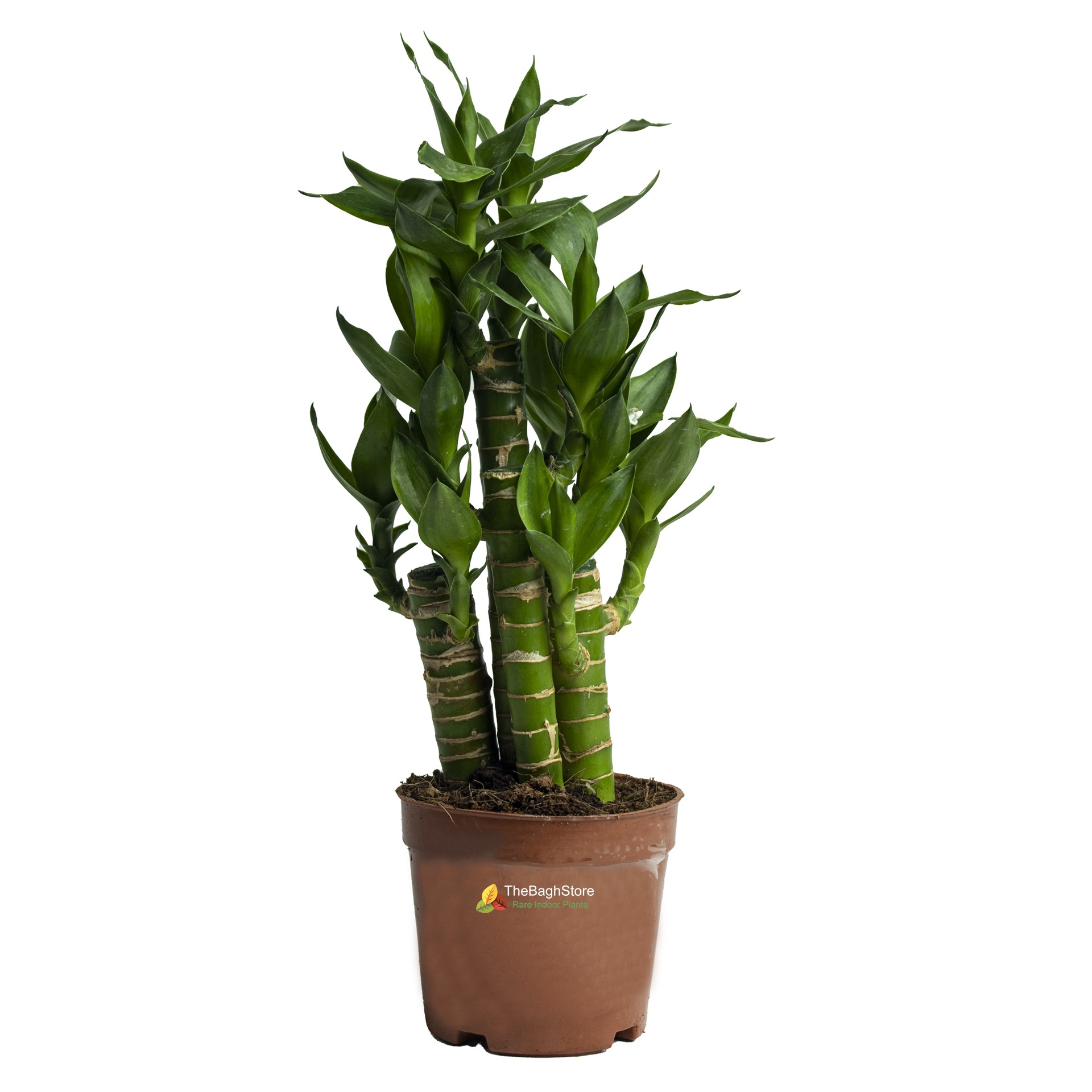 Lotus Lucky Bamboo Plant
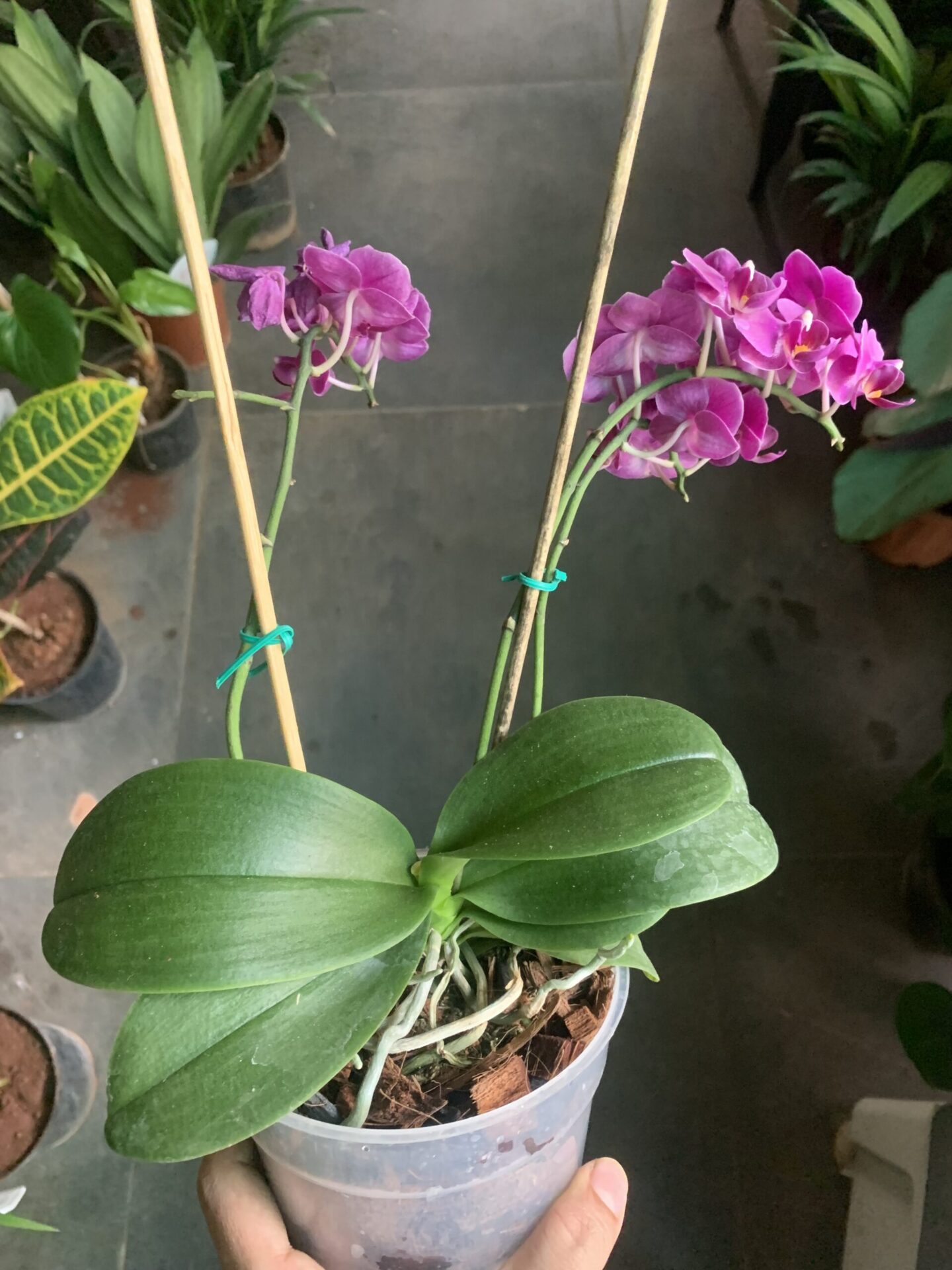 Purple, White Orchid Plant | Dendrobium