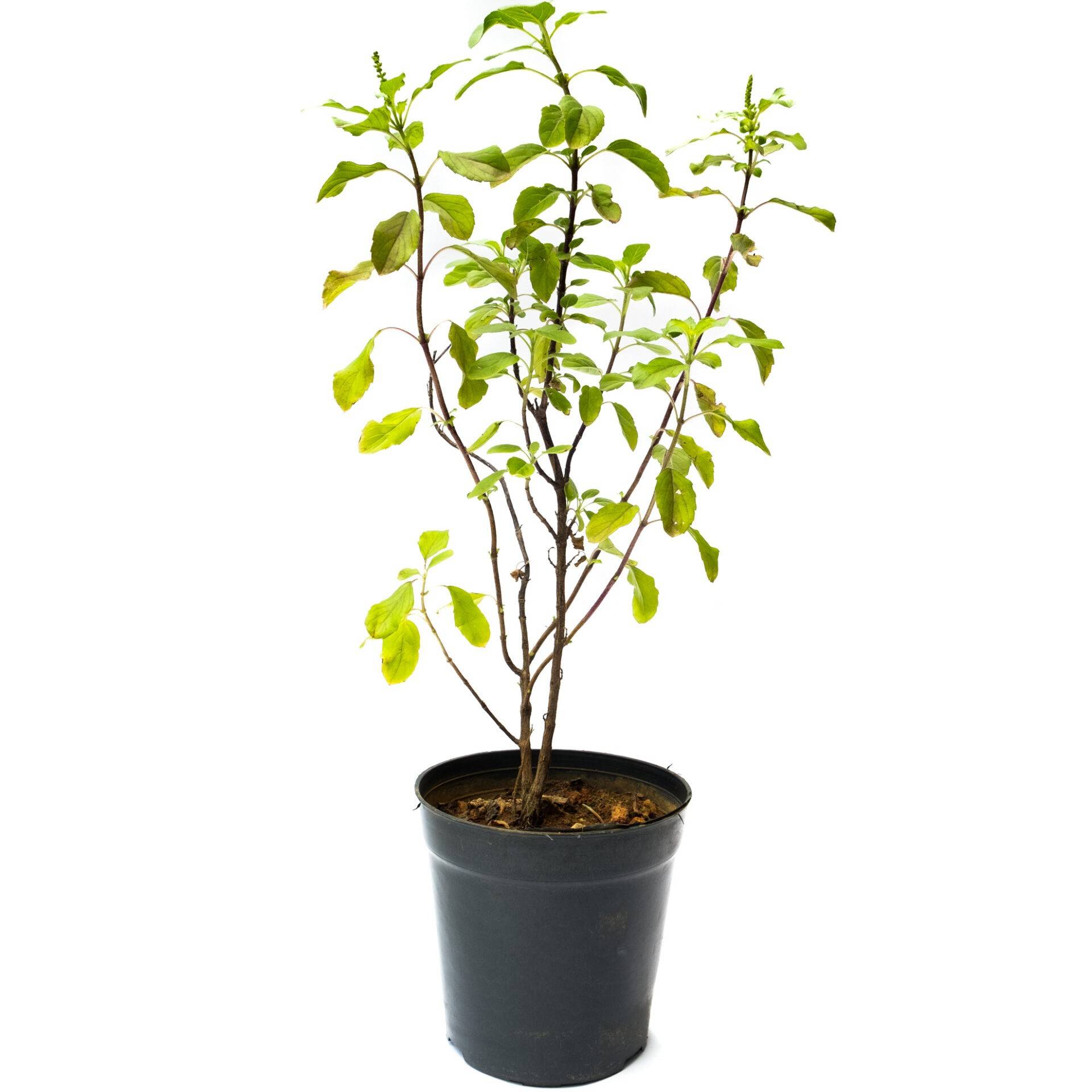
Holy Basil, Krishna Tulsi Plant, Ocimum tenuiflorum
$ 1.41
Holy Basil, Krishna Tulsi Plant, Ocimum tenuiflorumA sacred plant of Hindus with high therapeutic properties, Tulsi Plant is one of the most widely grown houseplants in India. It is an easy-to-care plant and can be grown easily. It was believed to bring luck and protection to its owners' home in Indian Traditions.GeneralTulsi Plant is a native plant of the Indian subcontinents.Your Tulsi Plant has many therapeutic properties in it that are used to treat liver disorders, stones, wounds, fever, cough, depression, anxiety, and many minor ailments.It is an excellent air purifier and also produces nascent oxygen that absorbs harmful gases from the atmosphere. It also repels mosquitoes from the home.Your plant can grow up to 4-5 feet tall when grown indoors.SunlightYour Tulsi Plant Plant requires bright direct sunlight to grow for ideally 6 hours every day. However, it can also tolerate little sunlight of around 4 hoursTulsi Plant requires a temperature of no less than 5 C or their health may start to decline. Hence, you must keep your plant indoors during the winter season.WateringWater your Tulsi Plant only when the 1 inch of the topsoil is dry to touch. You should water them every day during the summers and thrice a week during the winter season.Tulsi Plant enjoys a high-humidity environment and hence you can consider keeping it in your bathroom or kitchen areas as well.SoilYour Variegated Hindu Rope requires a loose, well-aerated and fast-draining potting mix. An equal combination of perlite, orchid bark, and peat will ensure good drainage.FertilizerYour Tulsi Plant does not require any fertilizer to thrive but it will boost its growth. You can consider feeding them once a month in summers with any fertilizer with a 10-10-10 NPK Ratio.However, during the winters, you must withhold any fertilizer use as it is the natural resting period for your plants.ToxicityYour Tulsi Plant is considered to be non-toxic for pets and humans.Additional CareYou should prune your plant once every month by removing off the dry leaves and stems from the plant as well to boost its growth speed and to give it a beautiful appearance.Tulsi Plant requires to be repotted once every year when it outgrows its current pot to further promote the growth of your plant. You must do so during the summer season.TroubleshootingTulsi Plant turning yellow: This is caused due to excessive watering situations- Regulate your watering schedule and water your plant only when the top 1 inch of the soil is dry.Tulsi Plant turning brown: This is caused due to excessive sunlight exposure- Place your plant in a spot that receives bright sunlight for no more than 6 hours/day.
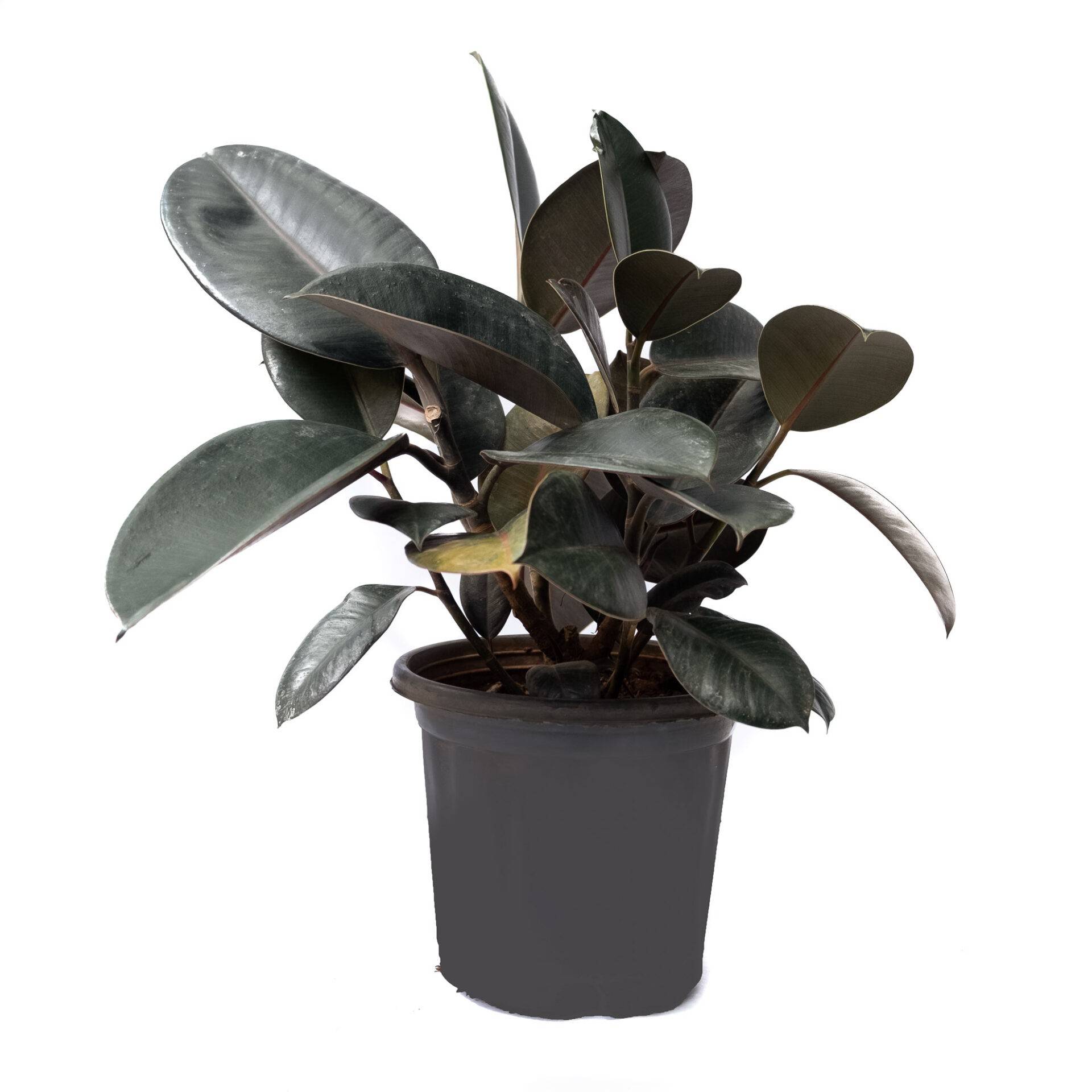 Rubber Plant | Rubber Tree | Ficus Elastica
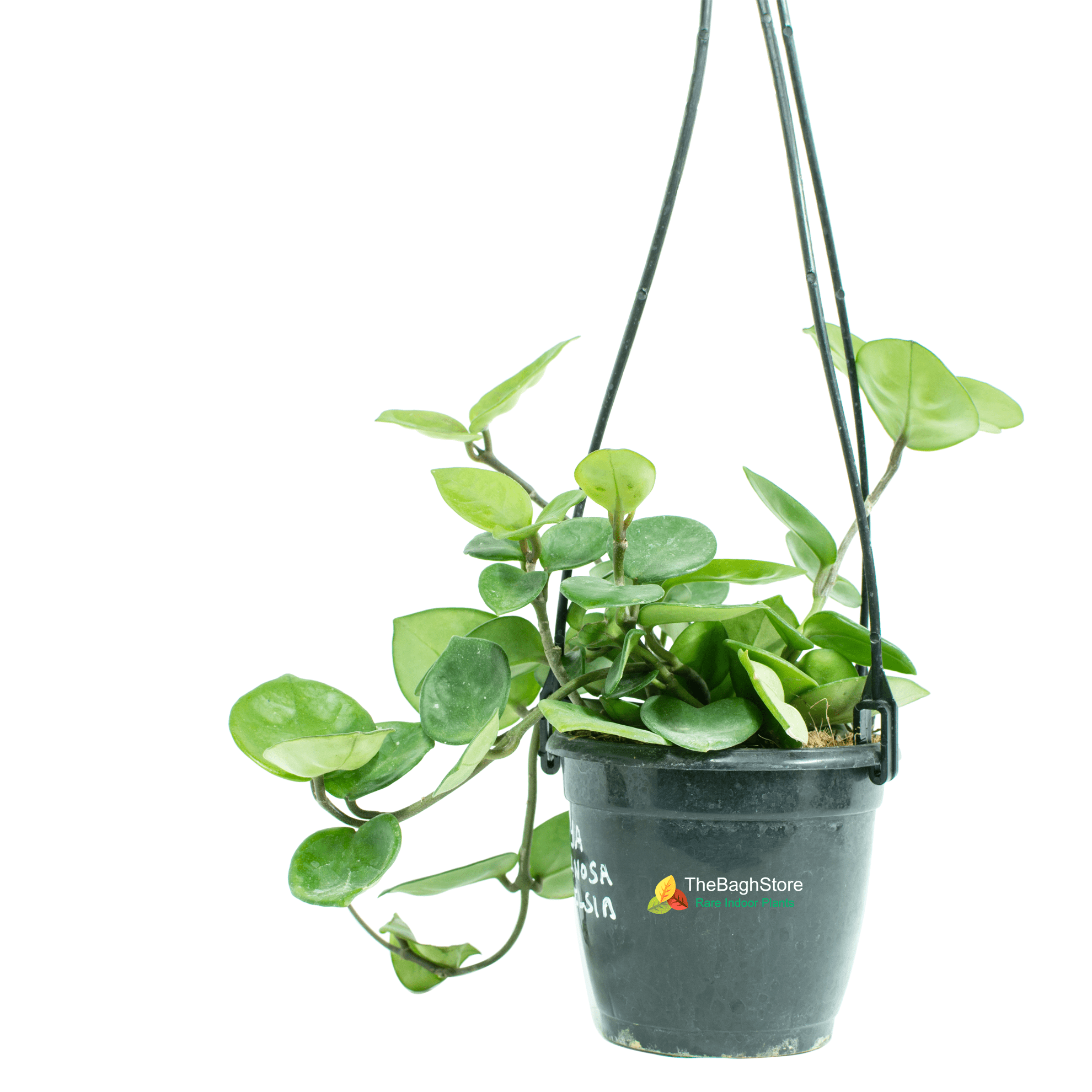 Hoya Carnosa Chelsea, Hanging Plant
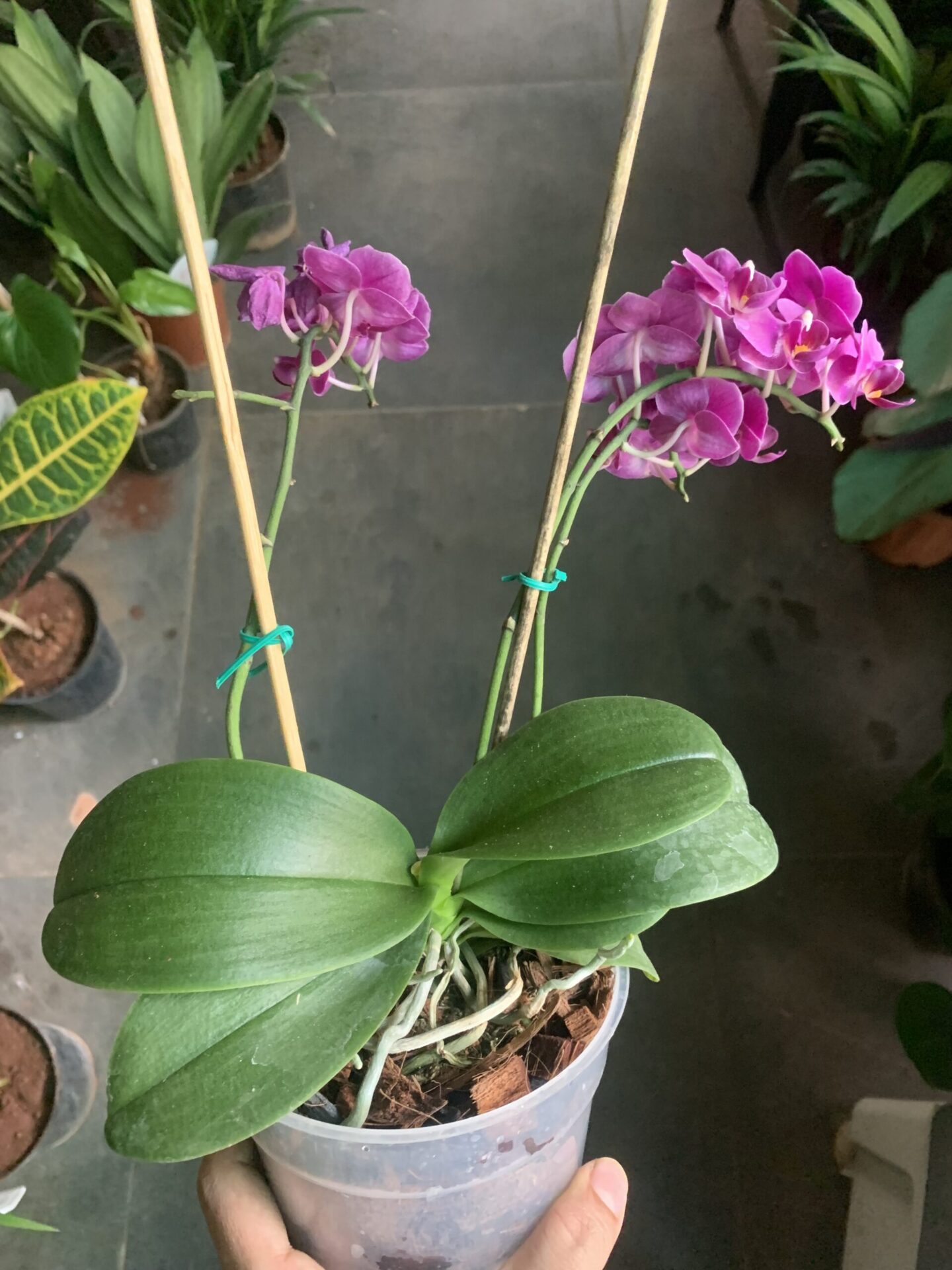 Purple, White Orchid Plant | Dendrobium


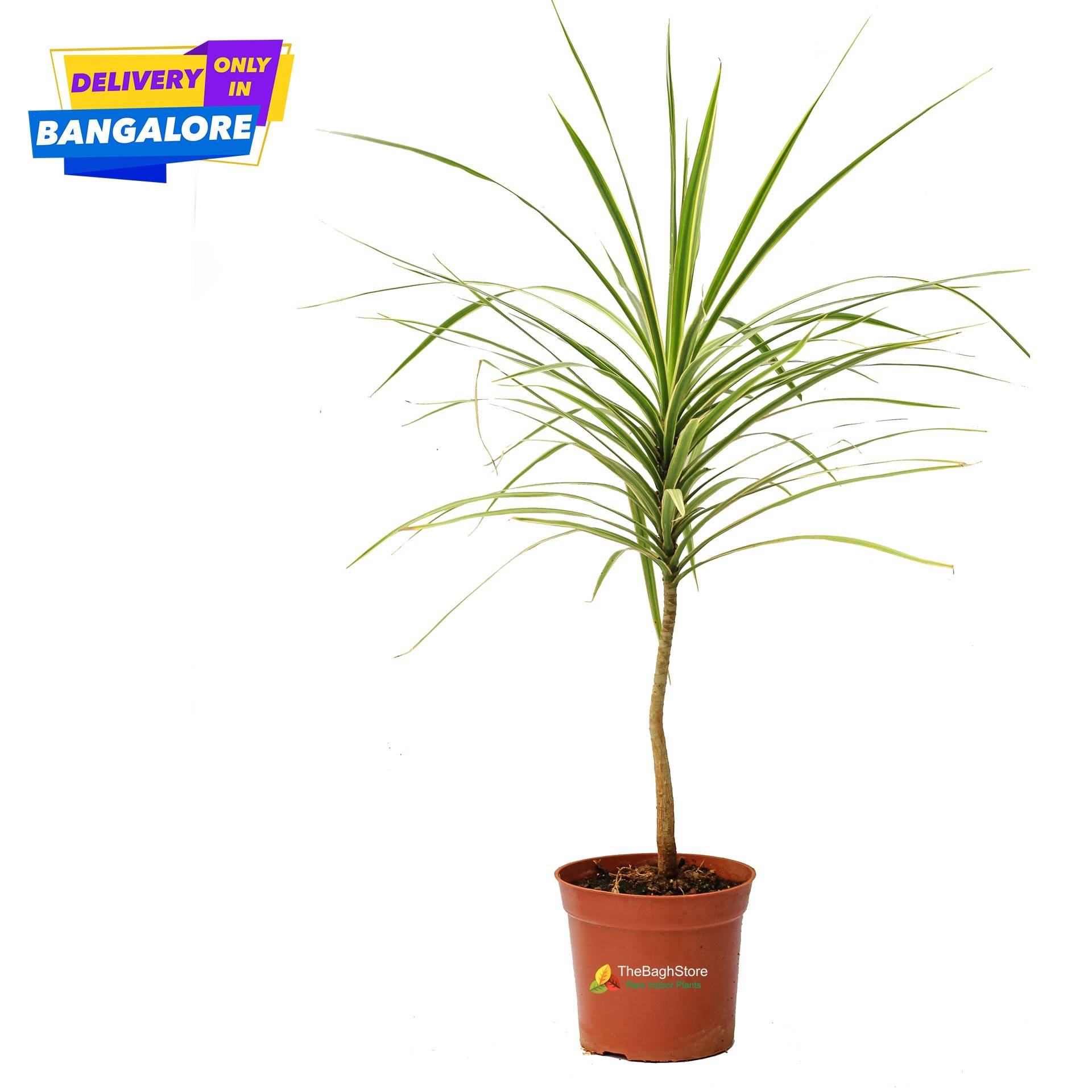 Dracaena Marginata, Dragon Tree Plant
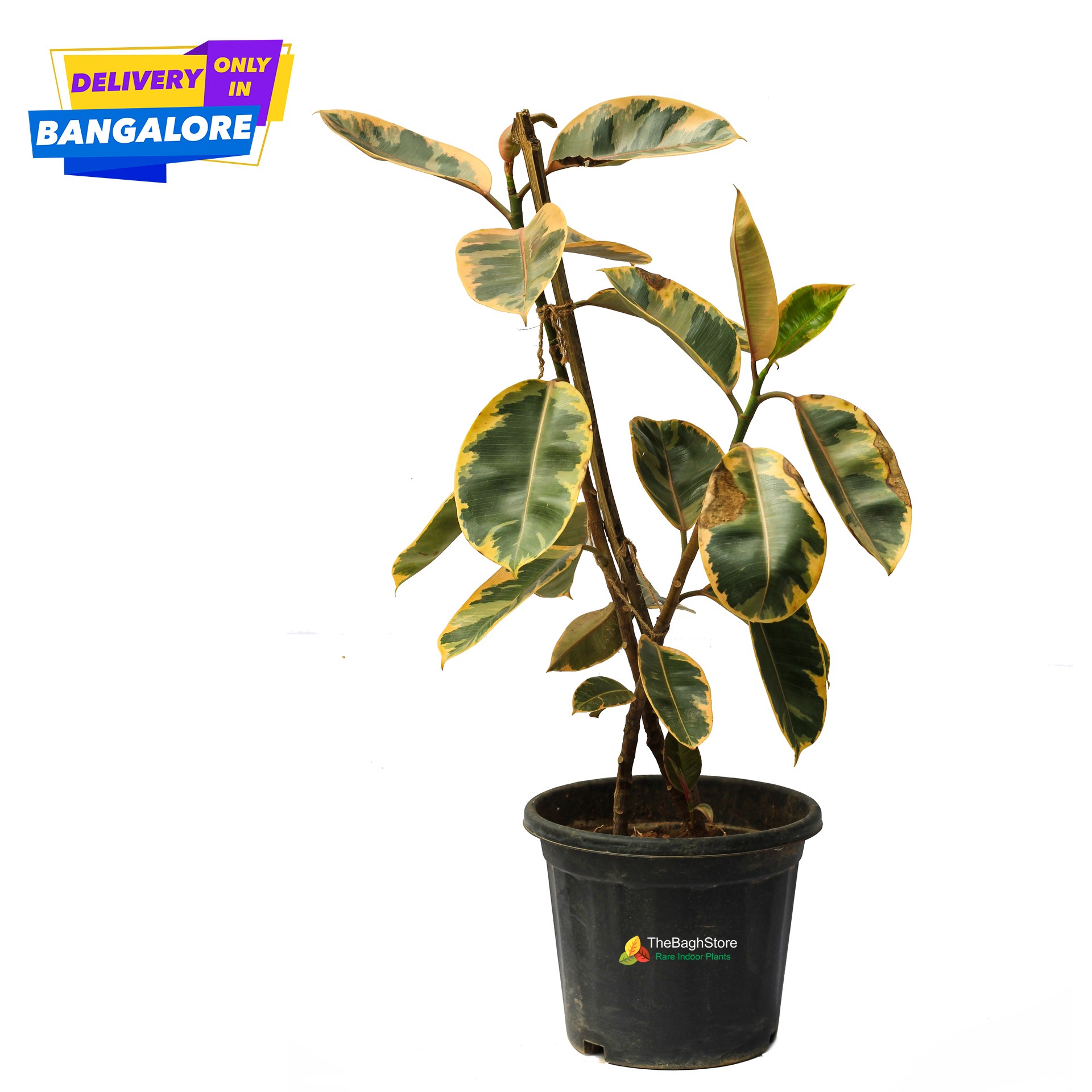 Rubber Tree, Rubber Plant, Ficus elastica (Tineke)
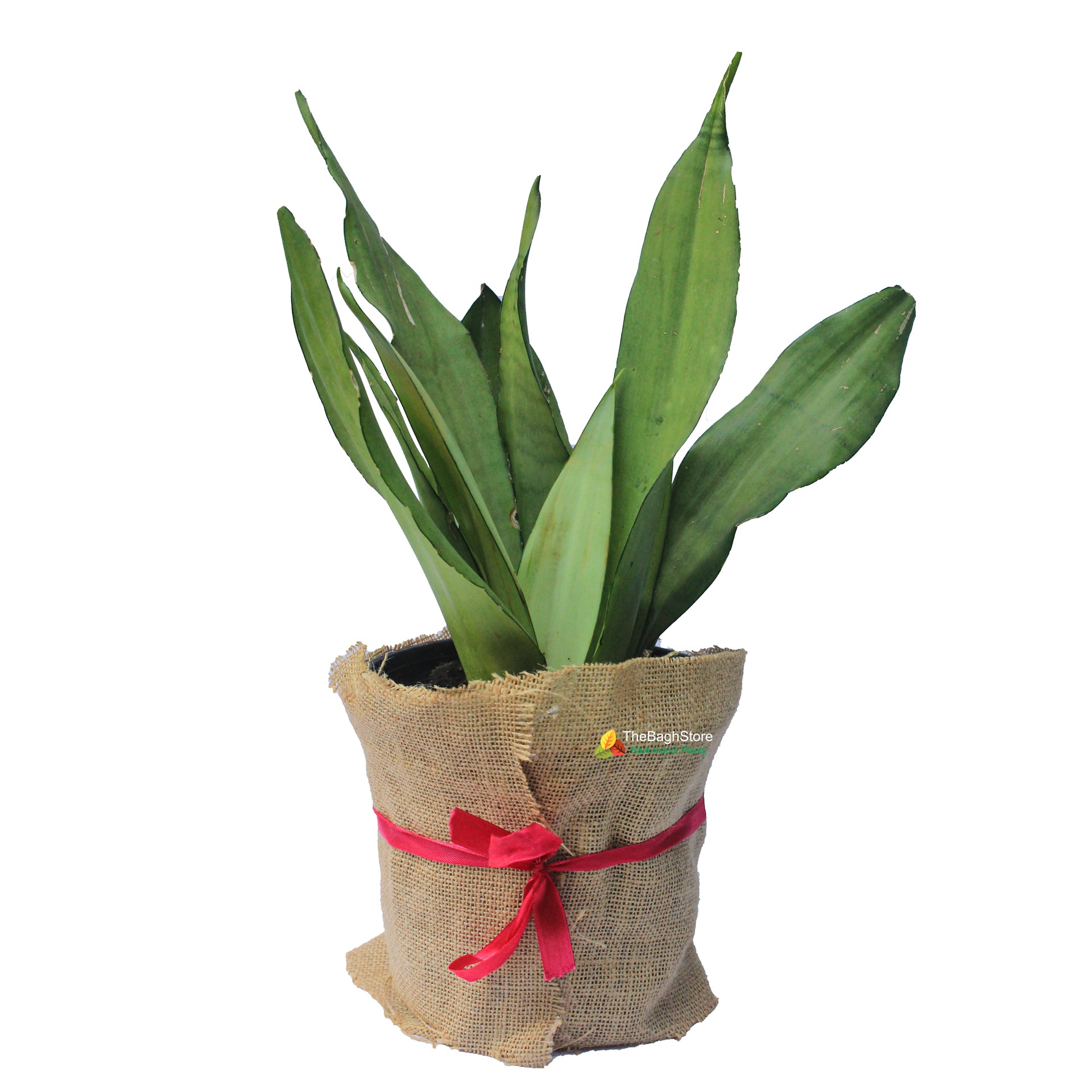 Sansevieria Moonshine, Moonshine Snake Plant